"Very good tour and the guides, Dani and Regi, were amazing. They were knowledgeable and friendly, and made sure the tour was prompt so we could visit everywhere with enough time to enjoy ourselves. Thanks for a great tour!"


Weather · Seasons
Mild May to September, early starts in summer.
Book Your Tour
The AAT Kings sunrise and Kata Tjuta half day puts you at Uluru for first light and has you back at the resort before the heat of the day, in any month.
The Experience
Sunrise at Uluru, the domes of Kata Tjuta and a short walk into Walpa Gorge, all before midday.
Pickup before dawn, back at Ayers Rock Resort around midday.
Choose a day in the booking box. The tour has free cancellation up to 24 hours before, which helps if a summer heatwave or a winter cold snap changes your plans.
The park pass is not included. Adults pay A$38 for 3 days and under-18s enter free; buy it online before you go.
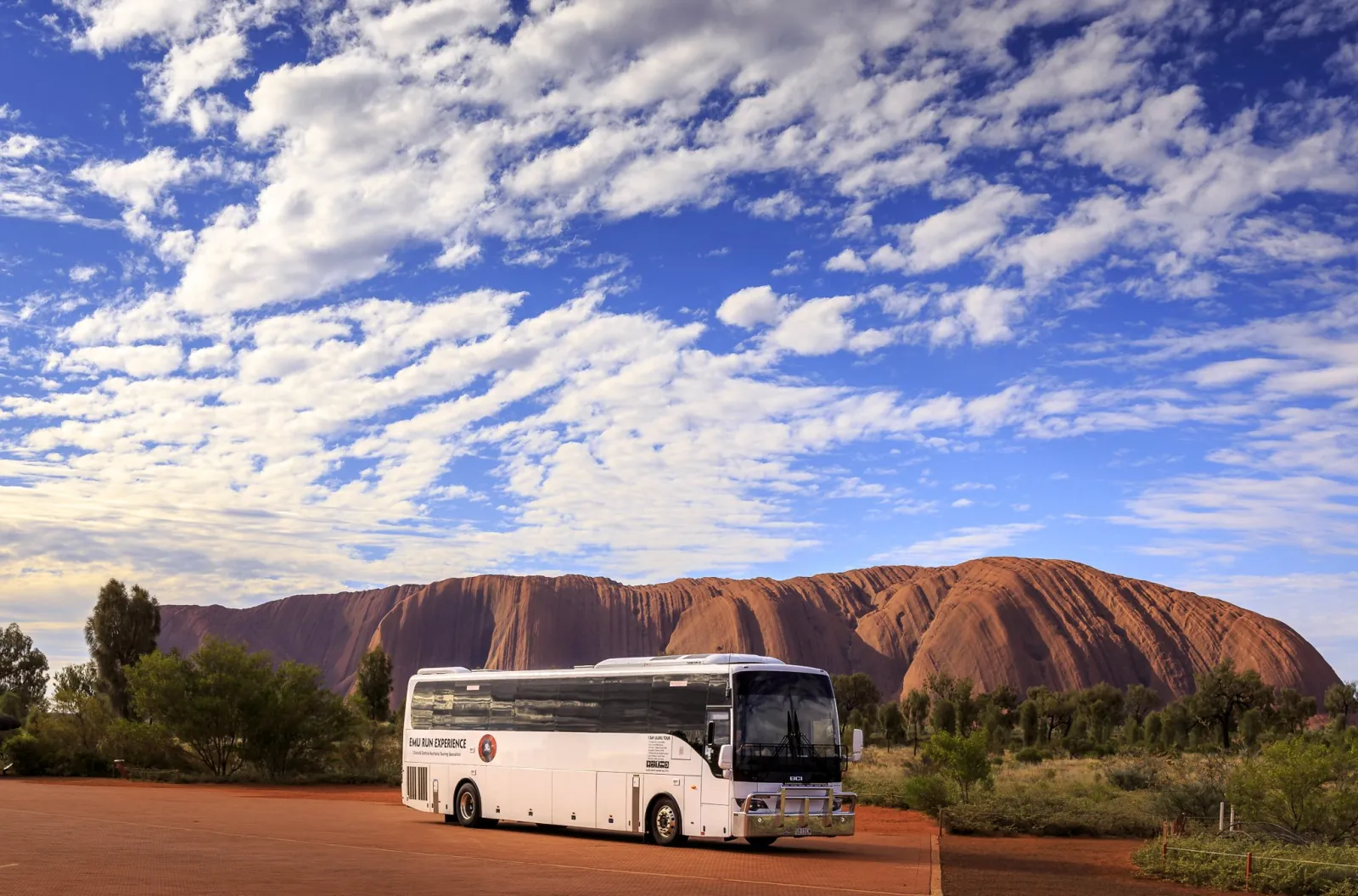
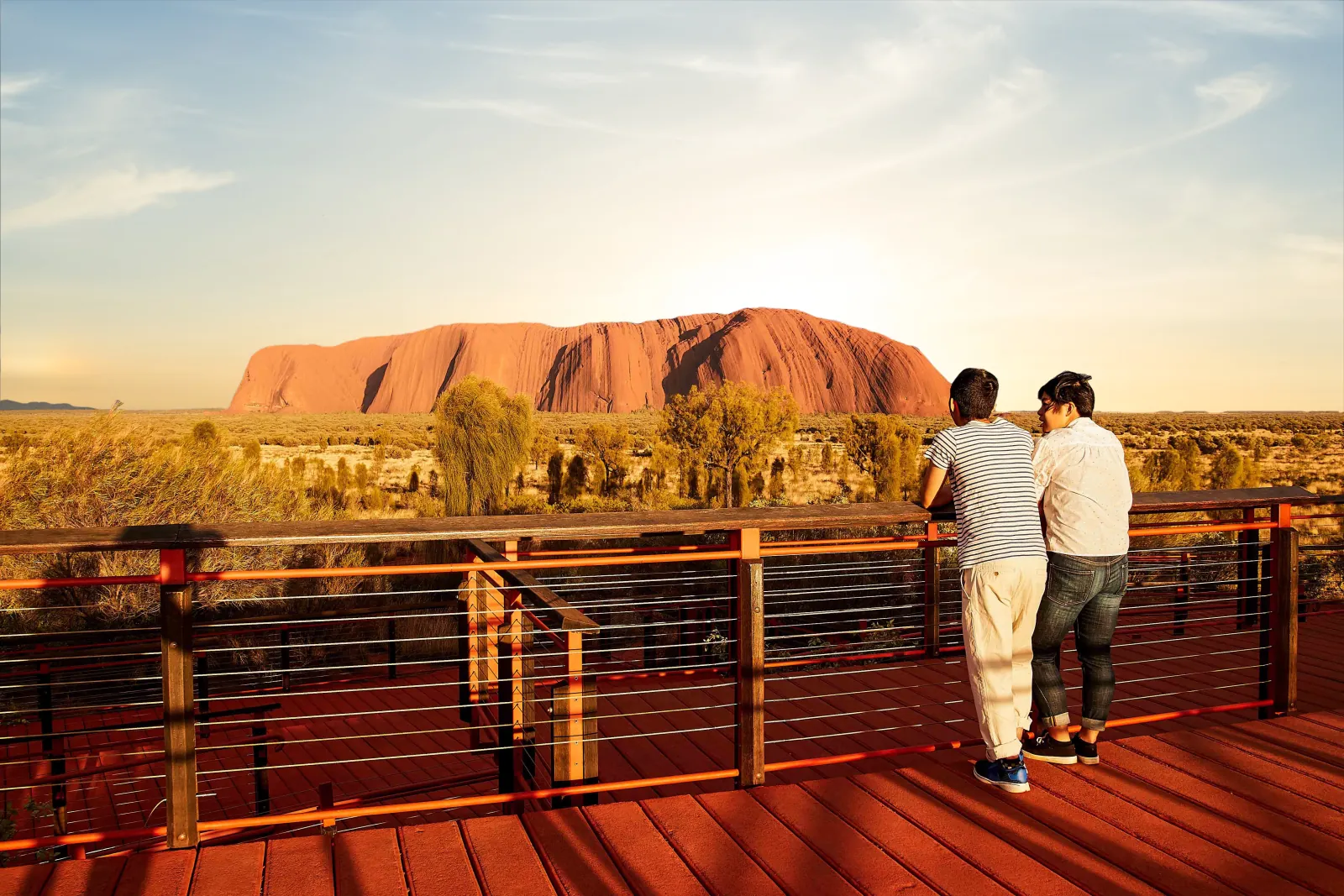
The coach collects you from your Ayers Rock Resort hotel before dawn and drives to the sunrise area, where tea and coffee are served as the light comes up on Uluru.
Drive west to the domes of Kata Tjuta for a viewing stop, then walk the rocky track into Walpa Gorge with your guide before the ride back to Yulara.
Photo Gallery
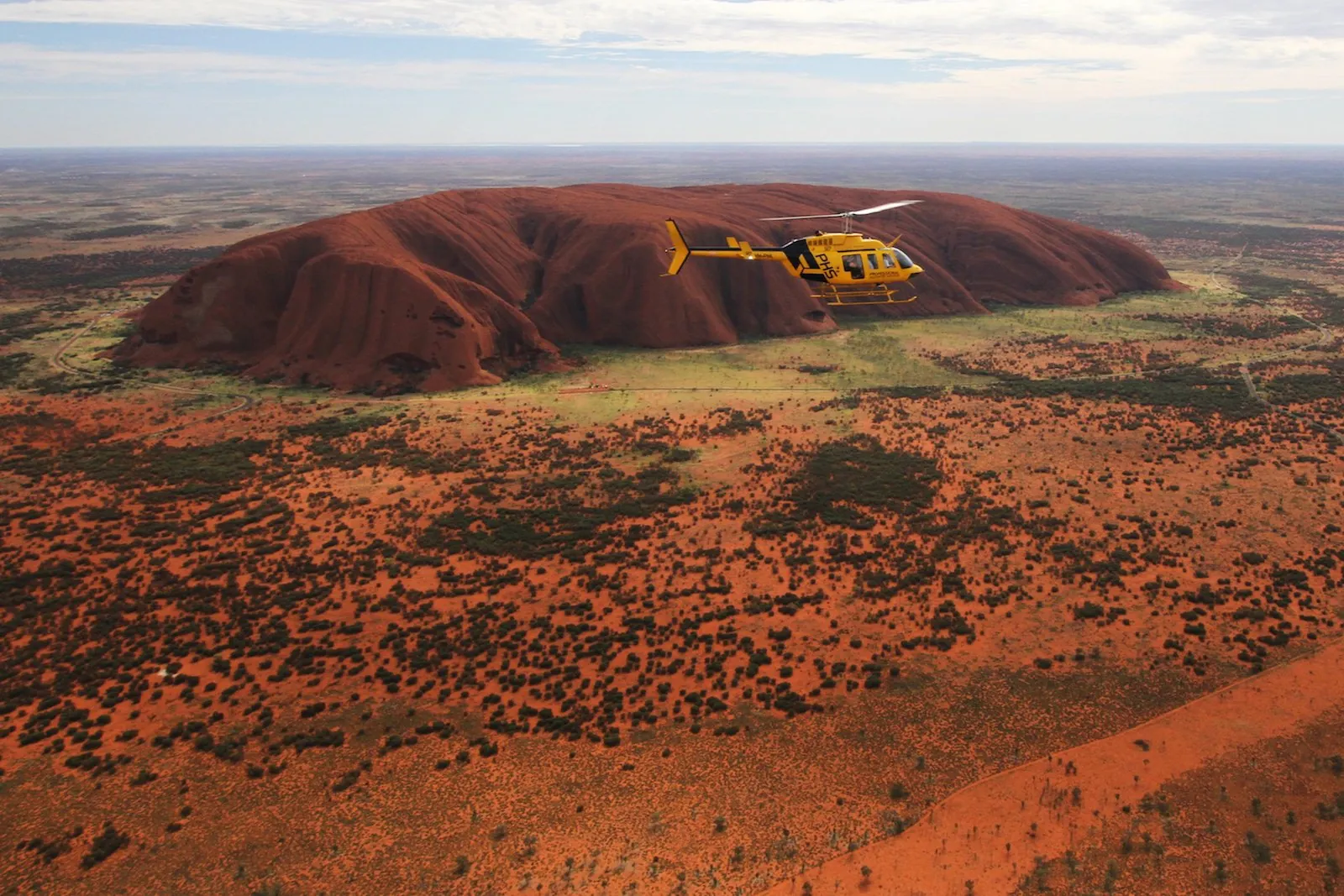
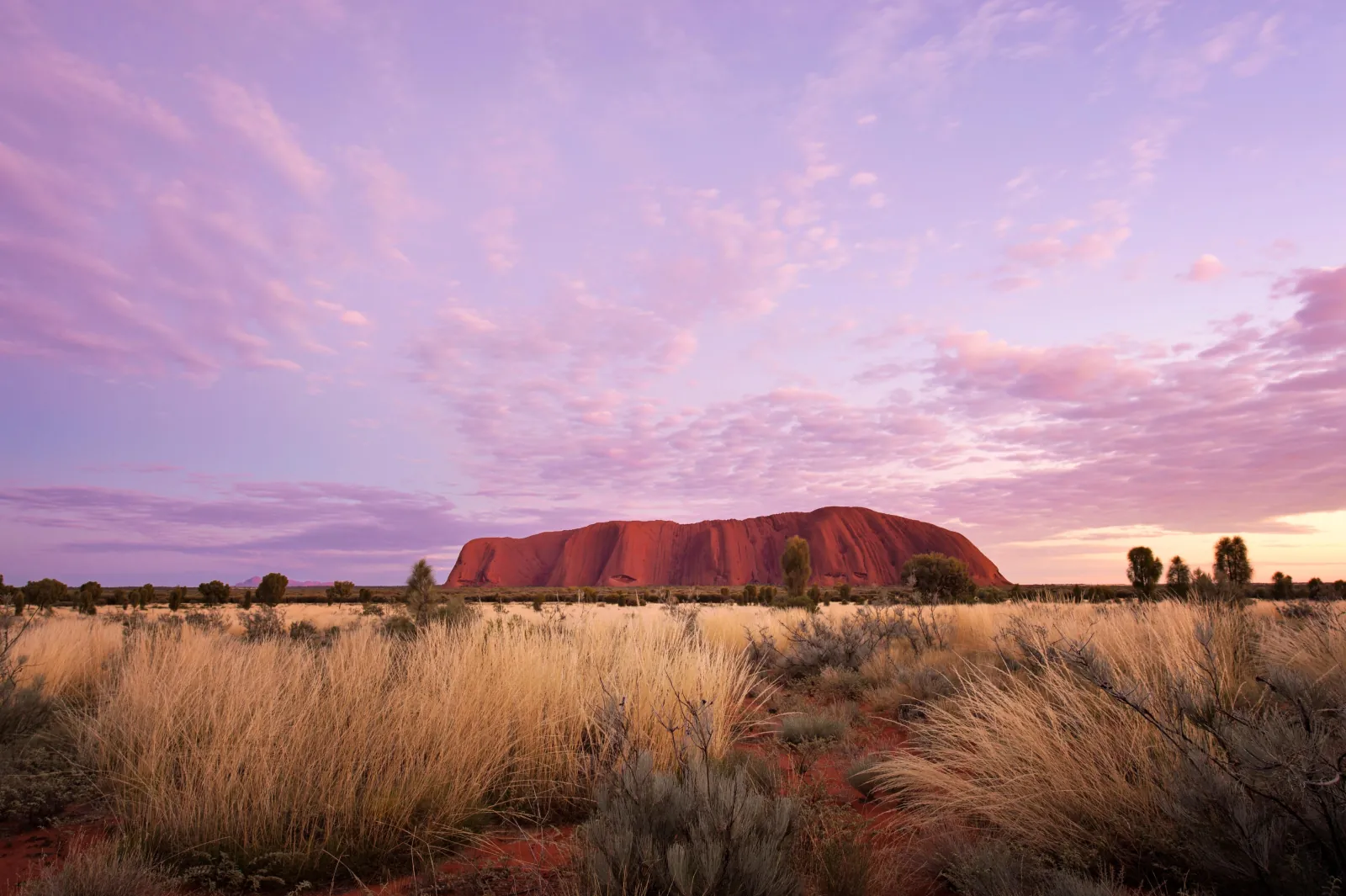
Red sand, desert oaks and the rock in changing light.
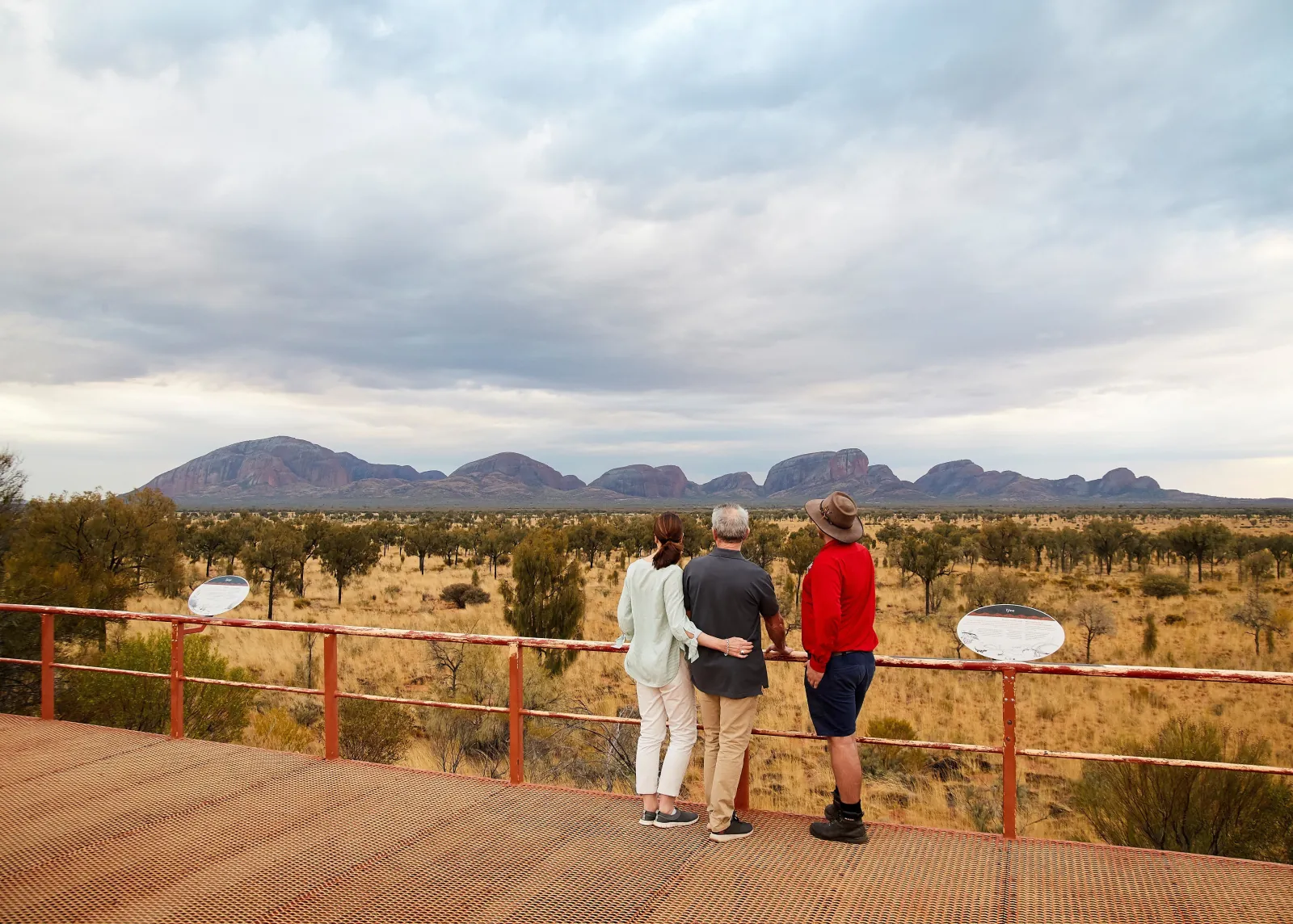
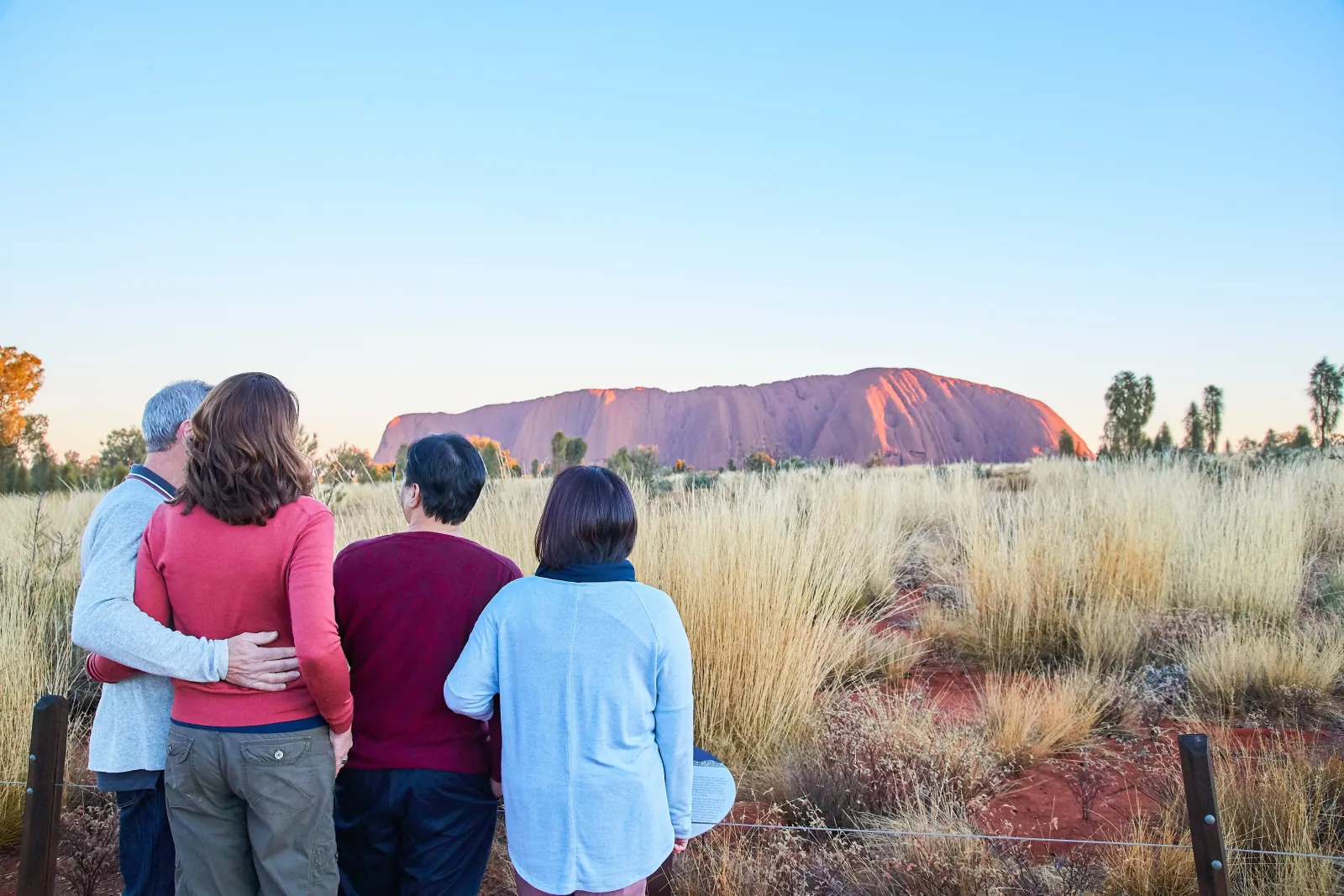
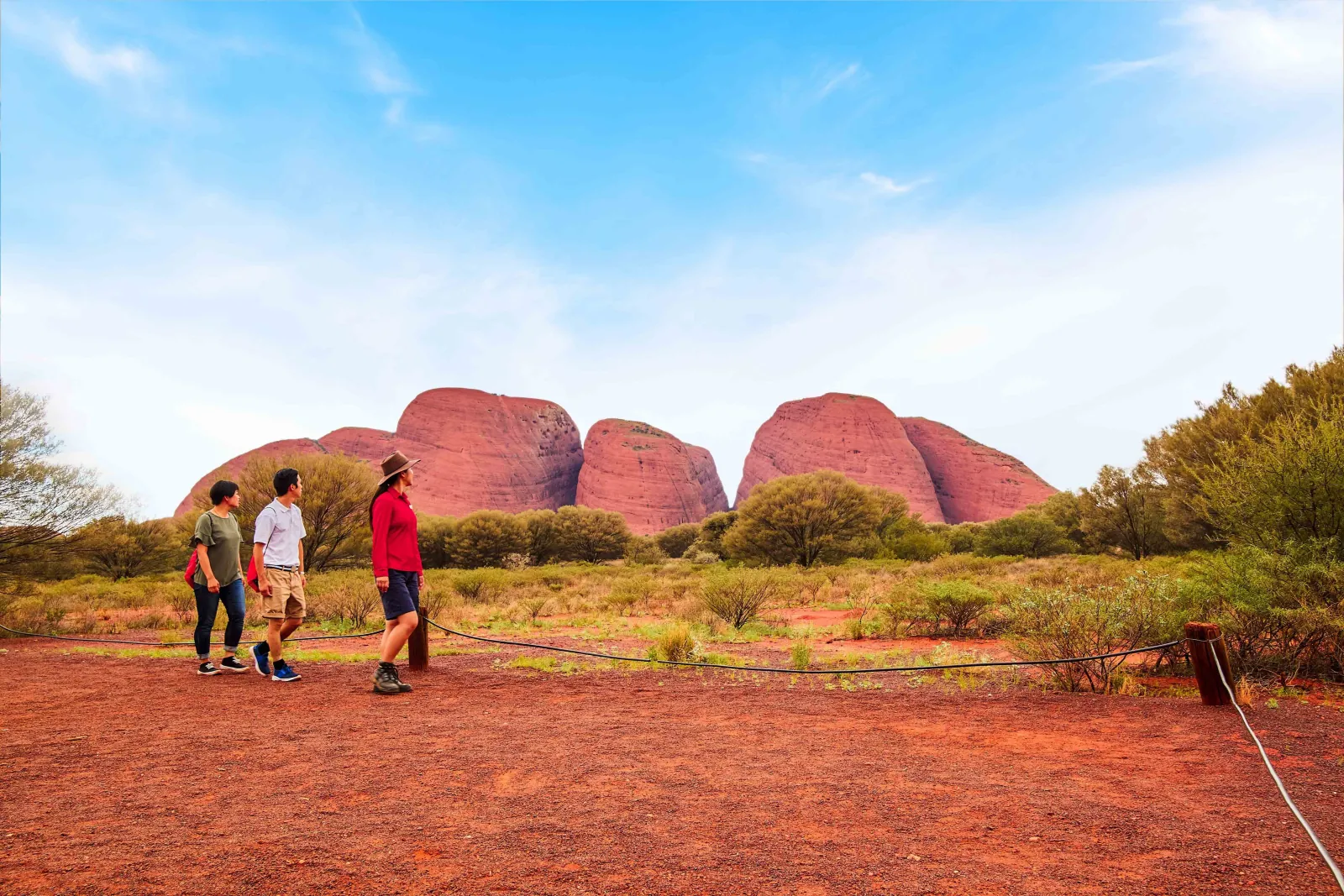
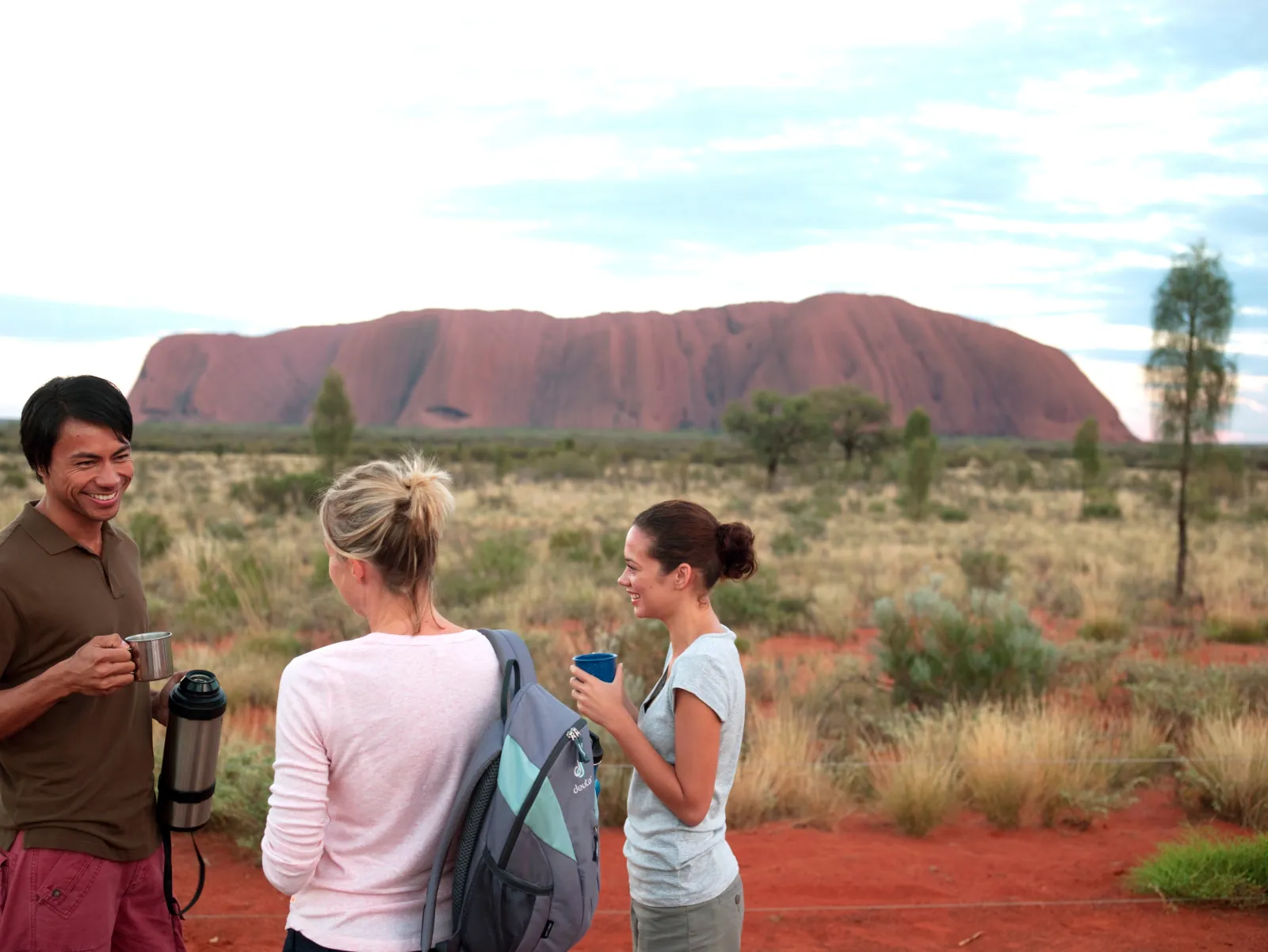
Three tours timed for the cooler ends of the day. Platform prices in USD from the live listings, October 2026.
| Feature | BOTH LANDMARKS Sunrise & Kata Tjuta Half Day | Uluru Highlights Small-Group Sunrise | Small-Group Sunset & Sparkling Wine |
|---|---|---|---|
| Starting price | From $130 per person | From $132 per person | From $80 per person |
| Rating | 4.6 (605 reviews) | 4.7 (279 reviews) | 4.5 (155 reviews) |
| Time of day | Before dawn to about midday | Sunrise, about 3 hours | Late afternoon to after sunset |
| Where you go | Uluru sunrise, Kata Tjuta, Walpa Gorge | Uluru sunrise, Kuniya walk, base drive | Uluru at sunset |
| Group and pickup | Coach, Ayers Rock Resort hotel pickup | Small group (up to 15), hotel pickup | Small group, Ayers Rock Resort pickup |
| Food and drink | Tea and coffee | Picnic breakfast with coffee and tea | Sparkling wine and light refreshments |
| Walking | Walpa Gorge, rocky track | Short walk to Mutitjulu Waterhole | Minimal |
| Park pass (A$38 adults) | ✗ Buy separately | ✗ Buy separately | ✗ Buy separately |
| Free cancellation | ✓ Up to 24 hours before | ✓ Up to 24 hours before | ✓ Up to 24 hours before |
| Best season fit | All year; back before the summer heat | All year; picnic warms winter dawns | Summer evenings; warm layers in winter |
| Check Availability | See on GetYourGuide | See on GetYourGuide |
Tours by Season
Dawn and dusk tours for the hot months, a longer guided walk for the cool ones. Each card opens our review.
 WITH BREAKFAST
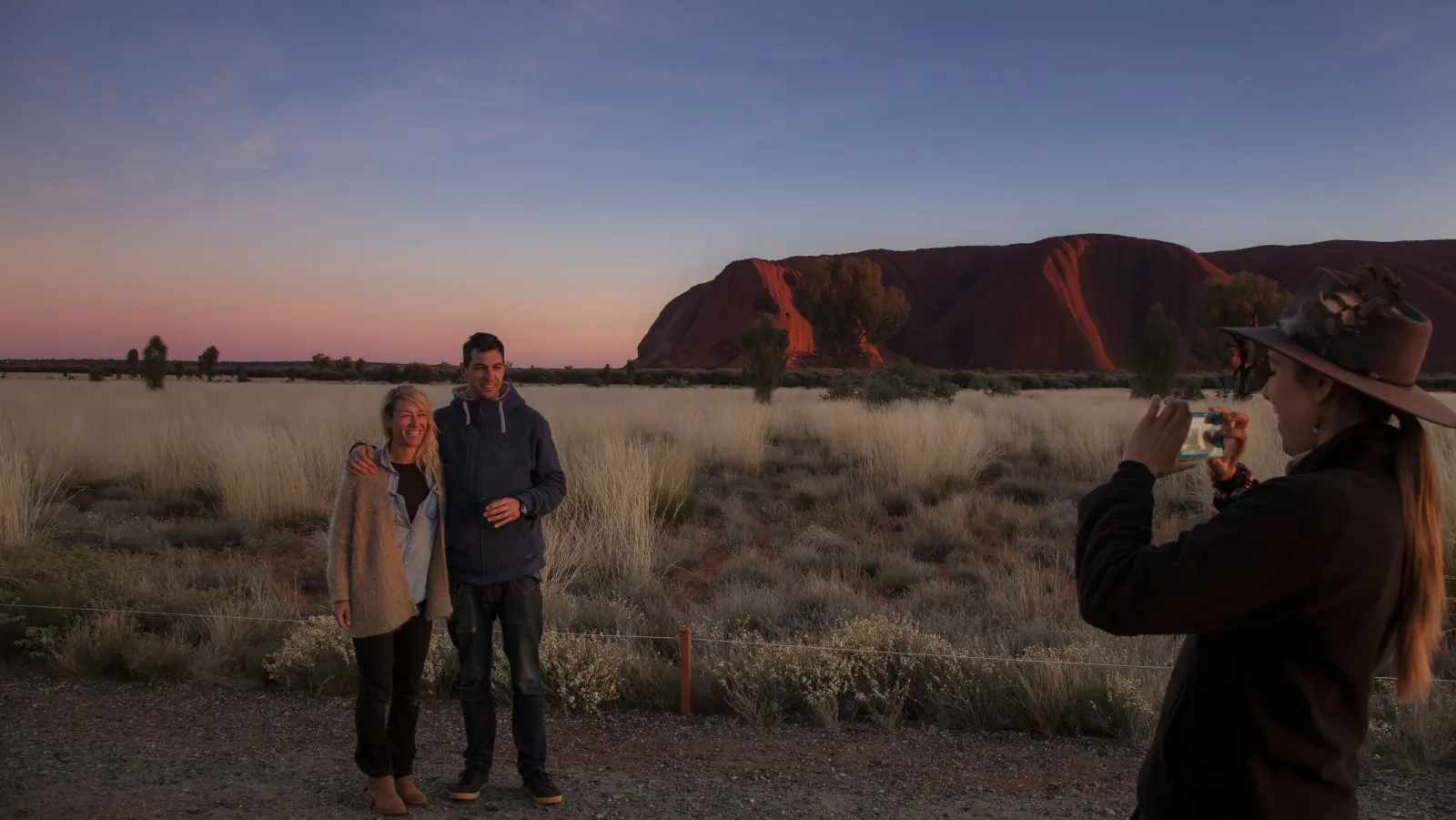
A three-hour SEIT small-group morning at Uluru: sunrise from a spot your guide picks, an outback picnic breakfast, the short Kuniya walk to Mutitjulu Waterhole and a drive around the base. It suits travelers short on time and those who want an easy, low-walking introduction.
 SMALL-GROUP SUNSET
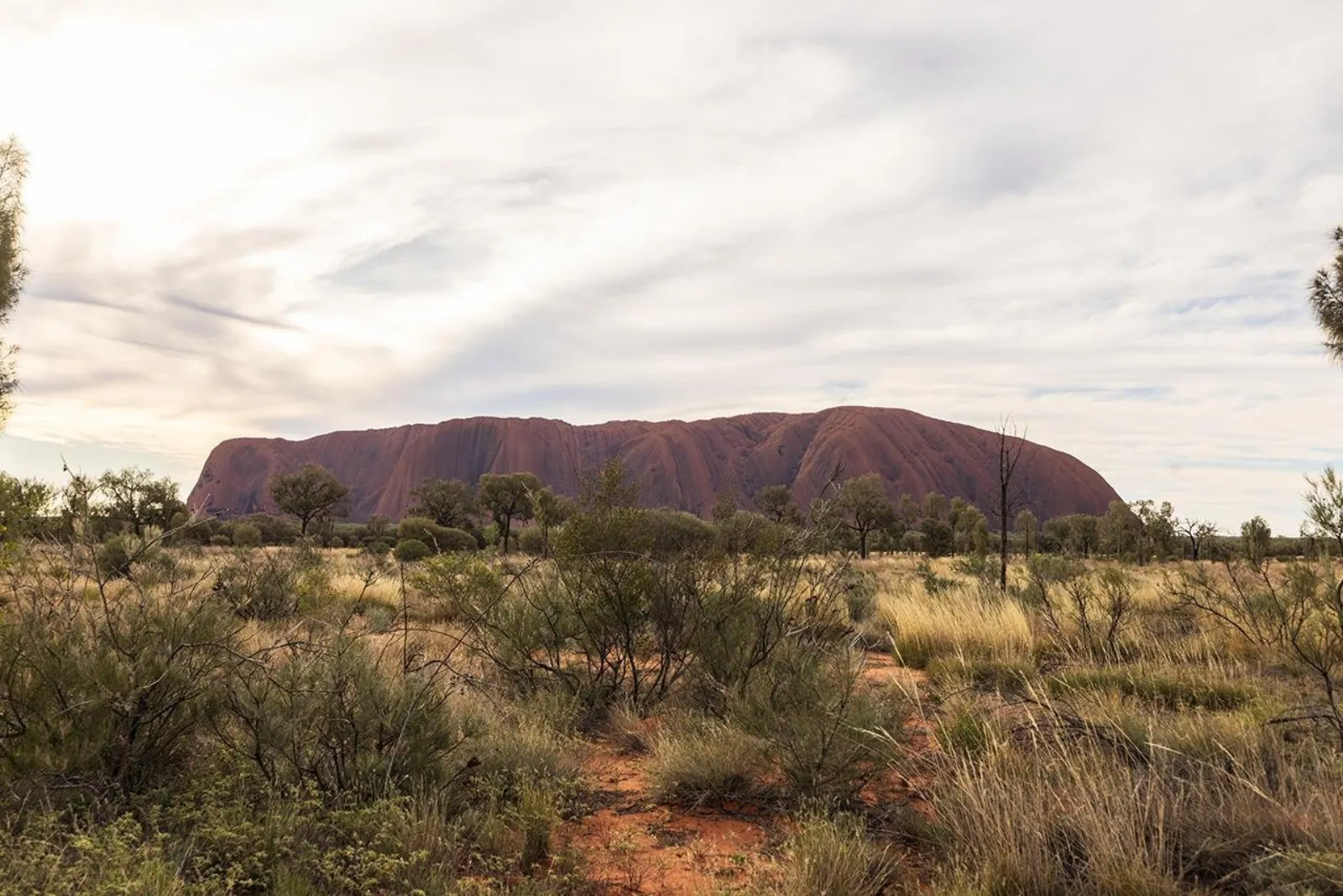
A short SEIT small-group trip from Ayers Rock Resort to watch Uluru change color at sunset with a glass of sparkling wine and light refreshments. It suits travelers who want the sunset without a big coach crowd and with time to talk to the guide.
 FULL BASE WALK
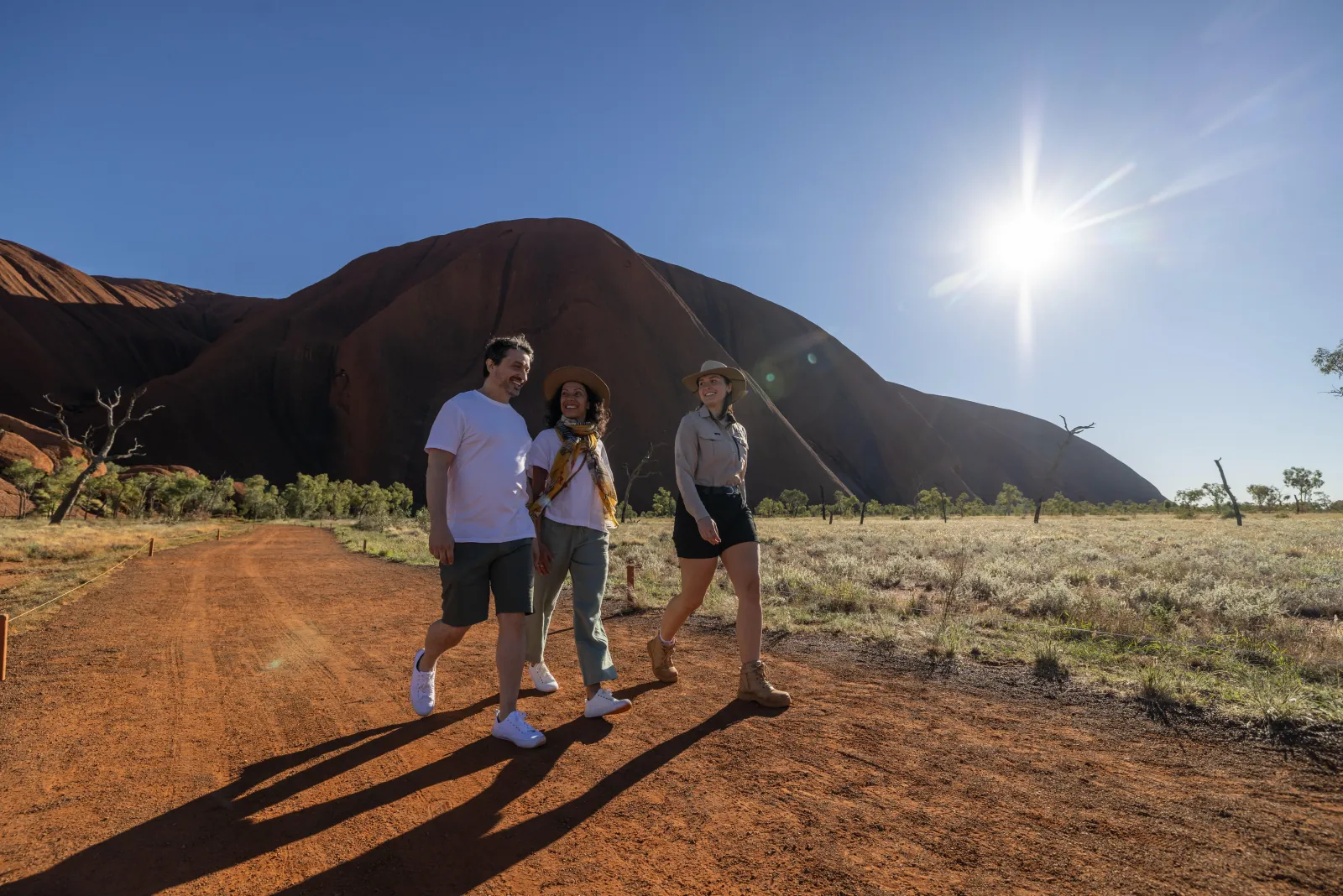
A SEIT small-group trek around the full base of Uluru, starting before sunrise, with a picnic breakfast on the trail and stories of the Mala, Liru and Kuniya along the way. It suits walkers who can manage about 10 km on flat ground and want a guide's context for every section.
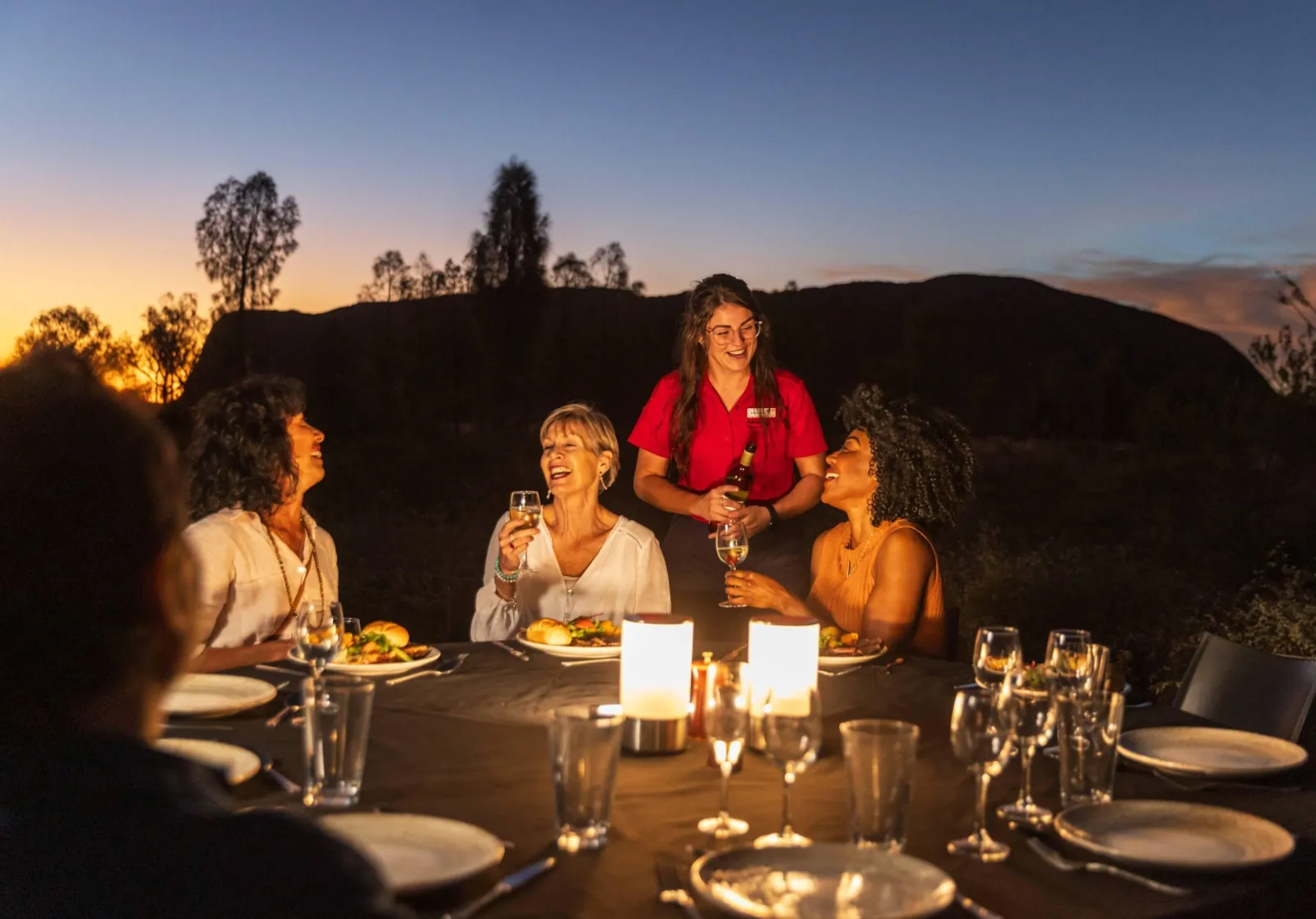 BBQ UNDER THE STARS
An AAT Kings evening at a barbecue site among the dunes inside Uluru-Kata Tjuta National Park, with a buffet BBQ dinner, beer, wine and soft drinks, then Aboriginal star stories and constellation spotting. It suits travelers who want a relaxed outdoor dinner in the park without an early start.
When to Go
Temperatures, rain, park hours, heat rules and flies, then the tours that fit each season.
The best time to visit Uluru for walking is May to September, when daytime highs at Yulara average 20 to 29°C and the park’s walks are comfortable all morning. The rest of the year still works if you plan around the heat: from October to March the average high runs from 32 to 38°C, so you see the rock at sunrise and sunset and rest in the middle of the day. Uluru-Kata Tjuta National Park opens every day of the year, and tours run in every month.
The figures below are long-term averages for Yulara from the Bureau of Meteorology. Park hours are the official opening times, and sunrise and sunset are approximate mid-month times (ACST), so expect a few minutes either way.
| Month | Mean max | Mean min | Rain | Park open | Sunrise | Sunset |
|---|---|---|---|---|---|---|
| January | 38.4°C | 22.8°C | 28.8 mm | 5:00 am–9:00 pm | about 6:10 am | about 7:40 pm |
| February | 37.0°C | 22.1°C | 38.4 mm | 5:00 am–9:00 pm | about 6:30 am | about 7:30 pm |
| March | 34.5°C | 19.3°C | 32.6 mm | 5:30 am–8:30 pm | about 6:45 am | about 7:05 pm |
| April | 29.9°C | 14.5°C | 15.7 mm | 5:30 am–8:00 pm | about 7:00 am | about 6:30 pm |
| May | 24.3°C | 9.3°C | 14.3 mm | 6:00 am–7:30 pm | about 7:15 am | about 6:10 pm |
| June | 20.4°C | 5.6°C | 18.2 mm | 6:30 am–7:30 pm | about 7:30 am | about 6:05 pm |
| July | 20.6°C | 4.4°C | 17.6 mm | 6:30 am–7:30 pm | about 7:30 am | about 6:15 pm |
| August | 23.7°C | 5.9°C | 5.0 mm | 6:00 am–7:30 pm | about 7:15 am | about 6:25 pm |
| September | 28.7°C | 10.7°C | 9.0 mm | 5:30 am–7:30 pm | about 6:45 am | about 6:40 pm |
| October | 32.3°C | 14.9°C | 21.1 mm | 5:00 am–8:00 pm | about 6:15 am | about 6:50 pm |
| November | 35.1°C | 18.4°C | 33.1 mm | 5:00 am–8:30 pm | about 5:50 am | about 7:10 pm |
| December | 36.5°C | 20.8°C | 45.5 mm | 5:00 am–9:00 pm | about 5:55 am | about 7:35 pm |
Two things stand out. Sunrise moves by well over an hour through the year, from before 6 am in November and December to about 7:30 am in June and July, and every sunrise tour shifts its pickup time with it. And the park closes earlier in winter, at 7:30 pm from May to September, so evening plans inside the park finish sooner. Our sunrise tours and sunset tours pages cover the viewing areas in detail.
This is the season the park itself recommends. Days are clear and mild, and you can walk the 10.6 km Uluru base walk or the full Valley of the Winds loop at Kata Tjuta without racing the clock. Rain is lowest in August and September, and those two months are usually the best for wildflowers.
The catch is the nights. June and July average minimums of 5.6 and 4.4°C, and frosts settle on some mornings. Sunrise tours leave in the cold and the dark, so pack a warm jacket, a beanie and gloves along with your sun hat. Dinners under the stars are colder than they look in photos; dress in layers for the dune. Hire cars at Yulara are limited in any month, and in the popular season it pays to book them, and your tours, a few weeks ahead.
Summer means heat, storms and flies. Daytime temperatures regularly pass 35°C, and the park asks walkers to finish by 11 am in hot weather. Several walks have fixed heat rules:
Flies arrive in large numbers in summer. A head net solves most of it, and you can buy one on arrival. Summer storms bring most of the year’s rain, and after a downpour water can pour off Uluru in temporary waterfalls and fill the waterholes, a sight the dry months never show.
Summer also has the longest days. In December and January the park stays open until 9 pm and sunset comes after 7:30 pm, which leaves a long evening for a sunset tour, a barbecue or stargazing after the heat breaks.
April and October sit between the two seasons. April averages 29.9°C by day and 14.5°C at night, and October 32.3°C and 14.9°C, warm enough for summer rules to apply on hot days but often fine for a morning walk. They are good months if you want warm evenings without the deepest summer heat. The free ranger-guided Mala walk starts at 8 am from October to April and at 10 am from May to September, a small sign of how the park adjusts its day to the heat.
Anangu, the Traditional Owners of Uluru and Kata Tjuta, describe five seasons, not four. Itjanu or inuntji runs roughly January to March, Wanitjunkupai about April to May, and Wari, the cold time, from late May to July. Piriyakutu follows from about August to October, and Mai wiyaringkupai or kuli, the hottest time, from late October to December. Rangers and Anangu guides often explain the country through these seasons, and they map closely onto what you will feel on the ground.
In summer, book around dawn and dusk. The Uluru sunrise and Kata Tjuta half day is built for it: sunrise at Uluru with tea and coffee, Kata Tjuta, a short walk into Walpa Gorge and back at the resort before the hottest hours. The SEIT small-group Uluru highlights sunrise does three hours at Uluru with a picnic breakfast. For the evening, the small-group sunset with sparkling wine or the BBQ dinner under the stars fill the long summer twilight.
In winter, the longer walks come into their own. The SEIT guided full base walk at sunrise covers about 10.5 km with a picnic breakfast, and the AAT Kings morning guided base walk on Viator is listed for October and then June to October dates, skipping the hottest months. At Kata Tjuta, the Valley of the Winds circuit hike is a five-hour outing best kept for cooler days; our Valley of the Winds vs Walpa Gorge page compares the two walks.
Whichever month you pick, you need the park pass: A$38 for adults for 3 days, and free for under-18s. Our sunrise and Kata Tjuta review covers the morning tour in detail, and the Uluru itinerary shows how to fit it into one, two or three days.
When you have your dates, check availability for the sunrise and Kata Tjuta tour.
Guest Reviews
Ratings and review counts are each platform's live figures (GetYourGuide or Viator) as of October 2026 and may shift slightly day to day.
"Very good tour and the guides, Dani and Regi, were amazing. They were knowledgeable and friendly, and made sure the tour was prompt so we could visit everywhere with enough time to enjoy ourselves. Thanks for a great tour!"
"We were so happy to see the sunrise view in Uluru, and visit Kata Tjuṯa. If we didn’t join the tour, we would have missed the impressive scenery."
"Nice sunrise trip to see Uluru from a lookout and visit one of the valley of Kata Tjuta. Very kind driver and guide. The transfer was punctual. I got more informations about the wild life, the desert and the animals from the driver than in the zoo. Although I would prefer spend more time in every place we stopped. 30-30 more minutes would be enough. No time to soak up the beauty of the desert."
"Guides were friendly, professional, very informative and helpful. I think if it was a little less expensive more people might go on these tours. sunrise was epic!"
"The tour was very well organised! Our guides, Jim and Hayley, definitely made the trip feel extra special. They both had extensive knowledge about the area and culture. The sunrise lookout over Uluru was spectacular with many different areas to view the rock from. However, you don’t get as close to the rock as you would if you were walking, cycling or on segways. We then travelled to Kata Tjuṯa (the Olga’s) which exceeded our expectations! Within Kata Tjuṯa is Waḻpa Gorge - a breathtaking walk right inside of the rock formations. It is quite rocky and uneven - if you have accessibility issues, or even older like my grandmother, it’s definitely a rolled ankle waiting to happen. We then travelled to this stunning lookout that overlooked both Uluru and Kata Tjuṯa for a wonderful photo opportunity. This tour is definitely worth the money. It is organised, lovely staff and covered Uluru and Kata Tjuṯa at the perfect rate / quality."
"Informative and friendly staff who were professional and caring."

"We absolutely love every bit of it. From pick up, the drive, onboard commentary and hike experience"
"Awesome tour! Our guide was extremely knowledgeable!!!"
Read all 605 verified reviews
See All ReviewsWhatever the month, a dawn start gives you the coolest hours at Uluru and Kata Tjuta. Check the dates that suit your trip. Starting from $130 per person.
Check Availability & BookCan't Make These Dates?
Other Uluru and Kata Tjuta tours, each with its own review, price and booking link.
Weather, heat rules, flies and cold nights, month by month.
May to September is the most comfortable time, and it is the season the park recommends. Average daytime highs at Yulara run from about 20 to 29°C, so you can walk all morning. October to March is hot, with average highs of 32 to 38°C, but sunrise and sunset tours still run every day. See the tours compared by time of day.
Very hot. January averages a maximum of 38.4°C at Yulara and December 36.5°C, and the park says summer days regularly pass 35°C. In hot weather it asks walkers to finish by 11 am. Plan walks for sunrise, spend the middle of the day indoors or in the pool, and go back out for sunset, when the evenings are long and warm.
Colder than most visitors expect. In June and July the average overnight minimum is 5.6°C and 4.4°C, and frosts form on some mornings during Wari, the cold season from about late May to July. Sunrise tours leave in the dark, so bring a warm jacket, a beanie and gloves, and wear layers for dinners outdoors on the dunes.
Flies are a summer problem. The park says summer brings large numbers of flies, and the cooler months are much better. A head net that fits over your hat is the simple fix, and you can buy one on arrival at Yulara. Insect repellent helps a little, but the net is what most walkers rely on between October and March.
Yes, for walking. July averages a high of 20.6°C with little rain, so the base walk and the Valley of the Winds are comfortable. Nights are the coldest of the year at 4.4°C on average, and sunrise is late, about 7:30 am, so sunrise tours leave later. Park hours are 6:30 am to 7:30 pm. Pack warm clothes for the early starts.
Yes. The park is open every day, including through the summer holidays, and sunrise and sunset tours run as normal. December averages 36.5°C by day and has the most rain of any month, often from storms. Sunrise is before 6 am and the park stays open until 9 pm, so plan around early mornings and long evenings and avoid walking after 11 am.
March is still hot, averaging 34.5°C by day and 19.3°C at night, so the summer heat rules can apply on hot days. It is a little milder than January and February, and storms earlier in the year may have filled the waterholes. Book sunrise and sunset tours, do your walking early, and check the forecast for the 36°C trigger at Kata Tjuta.
Yes. When the forecast or actual temperature reaches 36°C or more, the Valley of the Winds walk closes at the first lookout, Karu Lookout, from 11 am. You can still walk the 2.2 km return to Karu, but not on to Karingana Lookout or around the full loop. Our Valley of the Winds vs Walpa Gorge page explains both walks.
Not much, but it does. Annual rain is low, with most of it falling between November and March, when December averages 45.5 mm. August is the driest month at 5 mm. Summer storms can fill the waterholes and send water pouring off Uluru in temporary waterfalls. Walks and tours can change after heavy rain, so check uluru.gov.au/news before you go.
August and September are usually the best months for wildflowers, according to the park. They are also two of the driest months, with average highs of 23.7°C and 28.7°C, which makes them a good time for longer walks. How much colour you see depends on the rain that fell in the months before, so it varies from year to year.
Every month has a good sunrise and sunset, but the timing changes a lot. Sunrise is about 5:50 am in November and about 7:30 am in June and July, so winter means a later wake-up. Remember that some sites around Uluru are sensitive and must not be photographed; they are signposted. Our sunrise tours page covers the viewing areas.
April and October are a fair compromise. April averages 29.9°C by day and 14.5°C at night, and October 32.3°C and 14.9°C, so evenings are warm and mornings are good for walking. Hot days still bring the heat rules, so keep walks to the morning. They suit travelers who find winter nights too cold but want to avoid the hottest summer weeks.
Still have questions? Email us at info@ulurukatatjutatours.com
Keep Exploring
Every Uluru and Kata Tjuta tour guide, comparison and tour review on this site.